
A guide to hosting in Ramadan (Part II)
How It Comes Together

Welcome back to Part II of my guide to hosting in Ramadan or for any large gathering. In Part I, I walked through all the planning and preparation that goes into making a dinner like this work. If you haven’t read the first instalment, I recommend starting there first before diving into this one.
This time, we’re getting into the part I find most satisfying: how it all actually comes together. Let’s get into it.
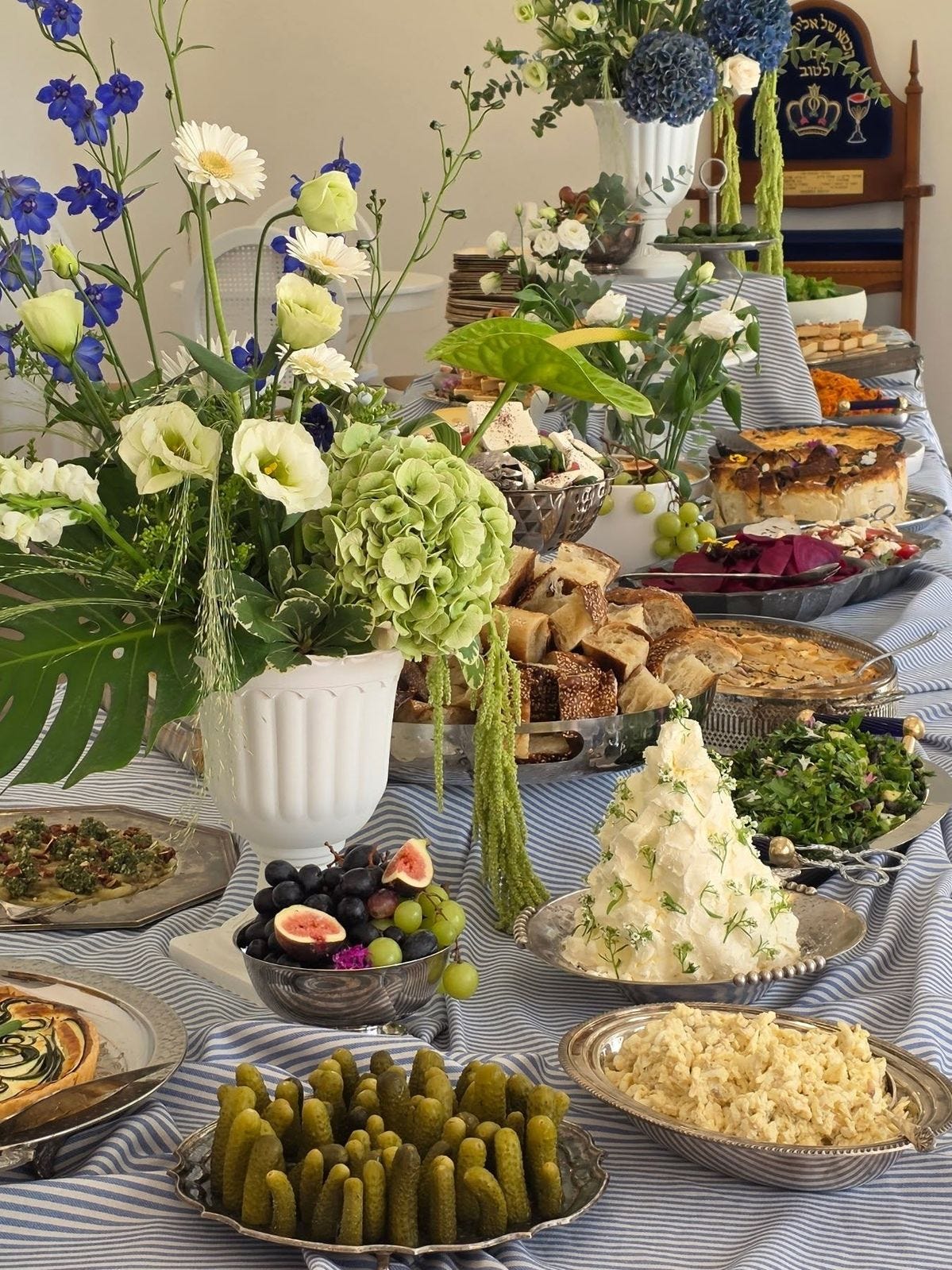
A step away from the kitchen
Setting the table
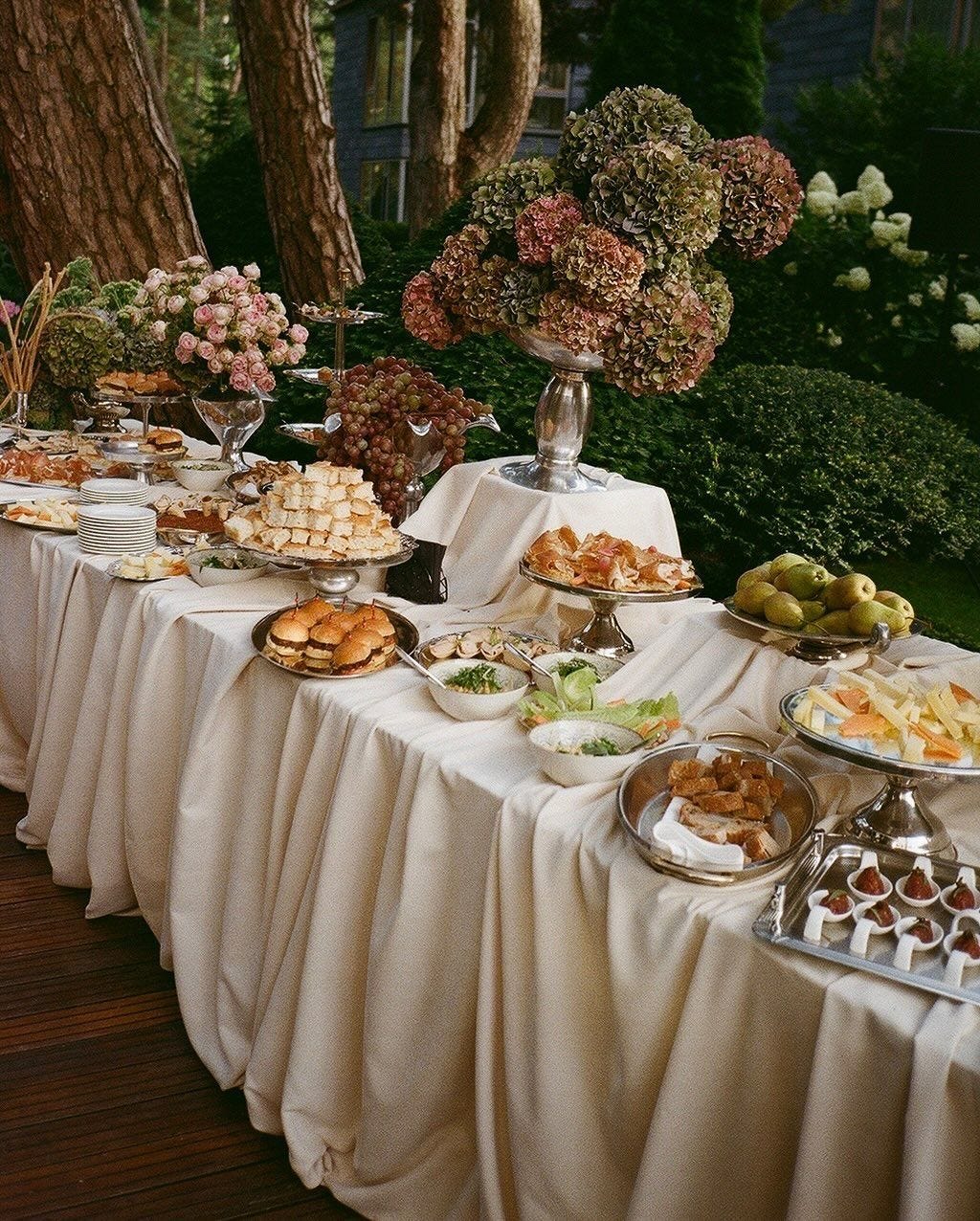
One of the most helpful things I do before hosting is setting the table the night before. If I’m going for a buffet-style setup, I take the time to match each dish with the right serveware, thinking about portion sizes and whether something belongs in a deep bowl or a wide platter.
This process can easily take up to an hour because dish selection aside, I’m also planning out the best layout and placement for each dish; making sure everything flows well so guests can move seamlessly from one dish to the next in a series that would make sense.
Doing this ahead of time means that on the day of the gathering, I don’t have to think about setup, I can just bring things out on autopilot mode instead of trying to be creative, which also helps avoid any last minute rearranging on the day.
Once everything is laid out the night before, I wash and dry all the platters so they’re ready to go. I also add small paper notes to each dish, labeling what goes where, this makes it so much easier for anyone helping me on the day. I make sure to do this for the dessert table as well.
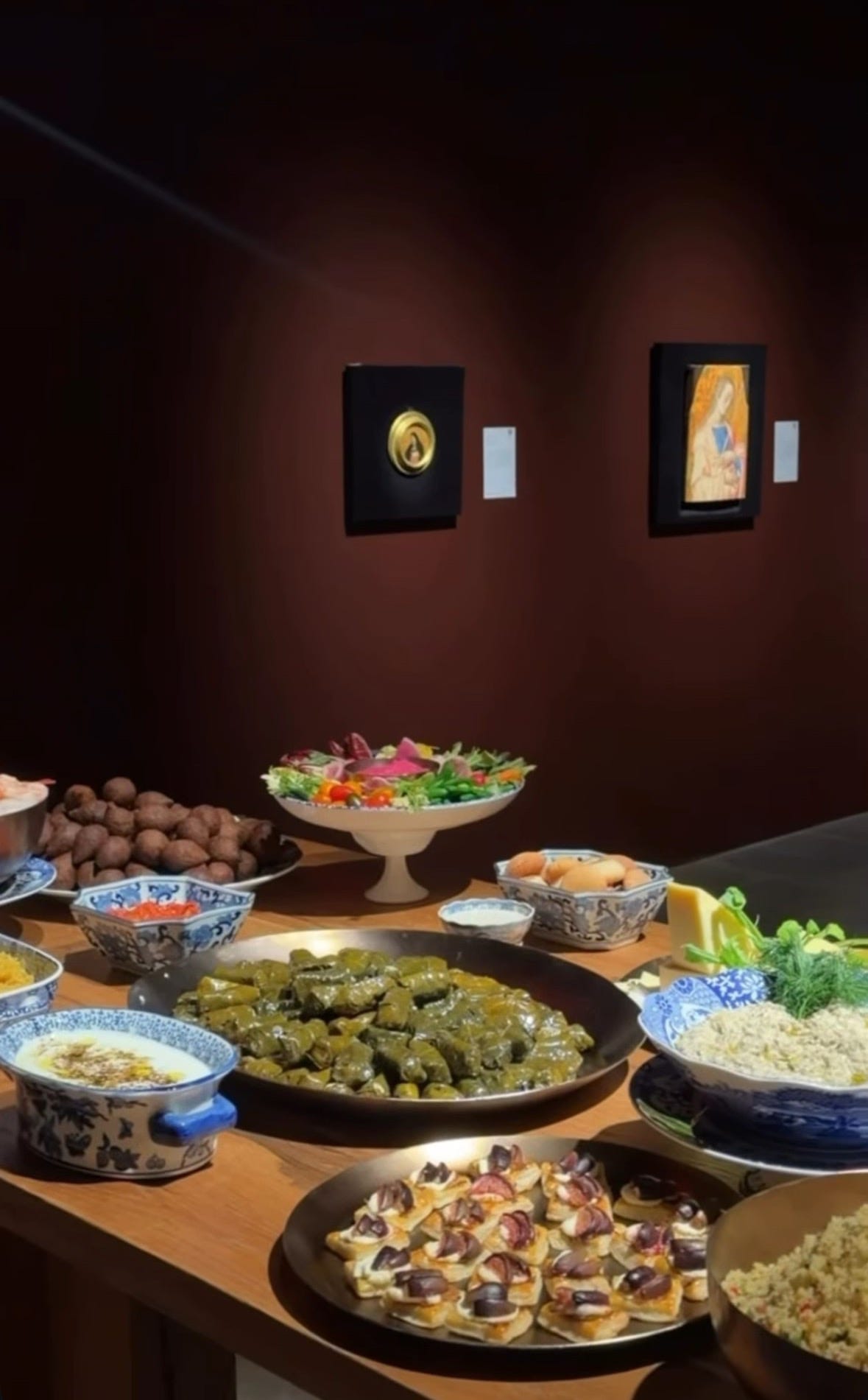
And finally, something that’s often forgotten: serving spoons and utensils! I always set them out in advance, choosing the right ones for each dish so there’s no last-minute search when it’s time to serve.
My Buffet Edit:
One question I get asked constantly when I’m hosting is about serveware: what I use, where it's from, how I make a table look cohesive without it feeling overdone. Everything I reach for is either already on SOFRA or something I'm in the process of adding, so I thought I'd share a few of the pieces I used last week for my first iftar of the year.
These bowls for my salads. They come in different sizes, I love the matte resin finish, how much they manage to hold and the versatility of white makes them pieces I know I can turn to again and again.
Bamboo serveware, I’ve got the salad servers, rice spoon & soup ladle to match my existing bamboo cutlery set. I love the earthy element they add to a table.
This pleated tablecloth which serves as a wonderful backdrop to a table setting. Whenever I use it I always get asked about it as it’s just so beautiful in person.
These mini risers for details like dates and dried apricots, an essential for any Ramadan table, they also have matching candle holders if you want a cohesive look.
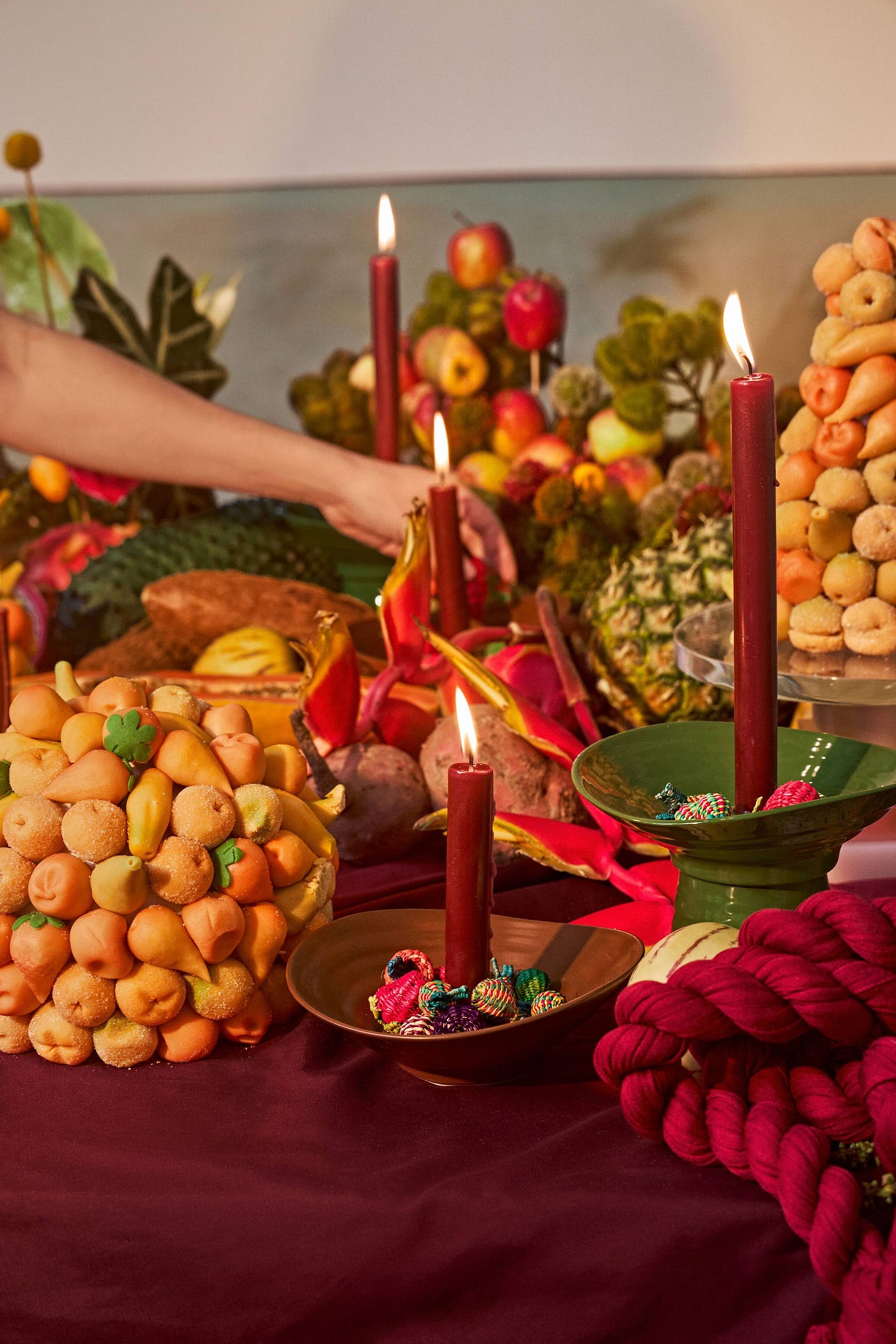
Buffet Styling by Andrea from Serv using the risers Lastly these blocks from Amazon that help me create different heights and levelling on the table.
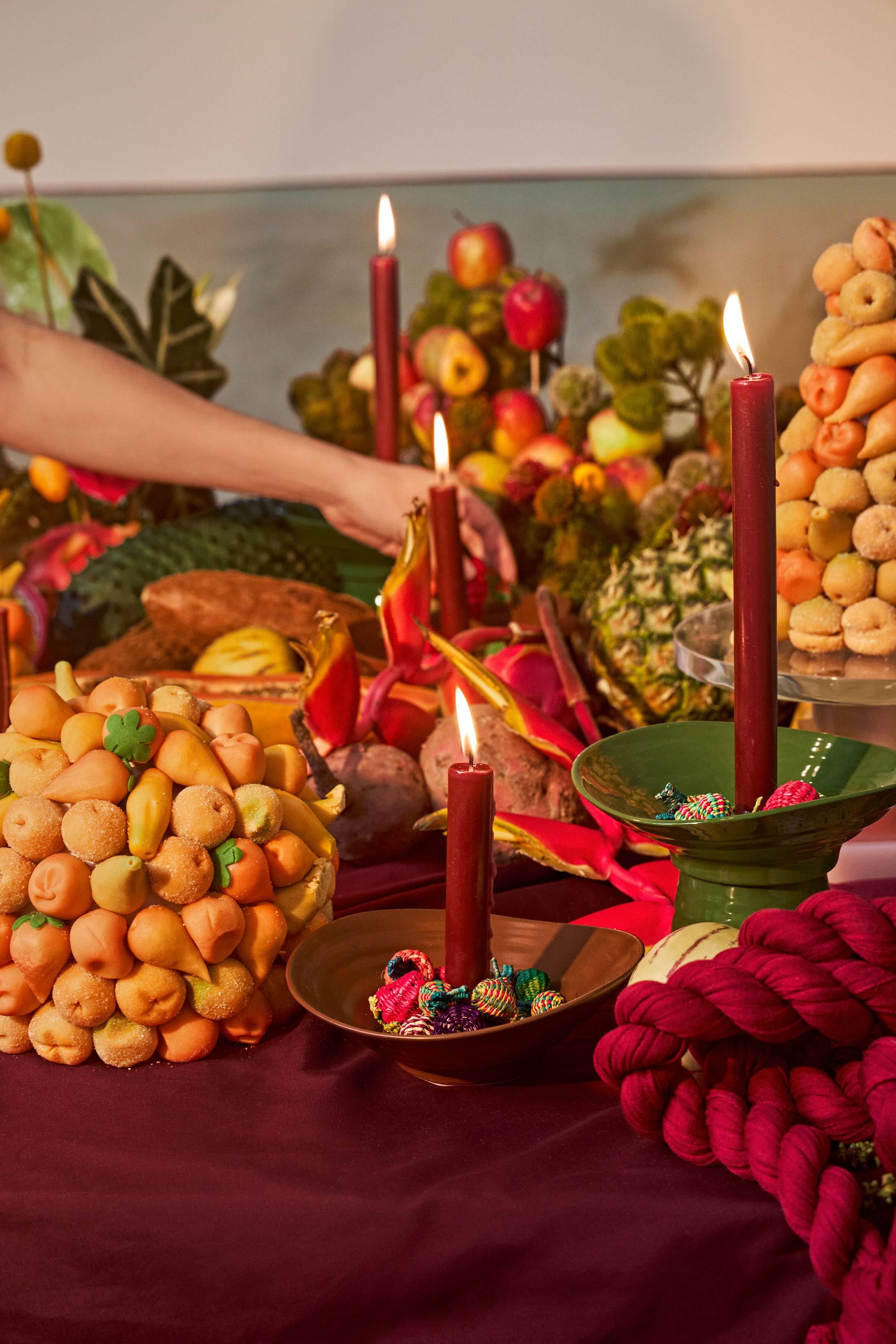
Creating Stations
Beyond the main buffet table, one of the things that’s made the biggest difference to how my gatherings flow is thinking about the space in terms of stations. Which is really just about giving different parts of the meal their own home, so that guests aren’t all crowding one table and so that the evening has a natural flow to it.For Ramadan specifically, I usually set up a few stations in addition to the main buffet.
Water & Drinks Station
Hydration is everything after a full day of fasting, so I like to make this one easy to access. I’ll set out individual water bottles (it just feels more considered than a single jug and means I don’t need to be in charge of refills) alongside typical Ramadan drinks like a hibiscus juice called Karkade. Recently I’ve also started adding some electrolytes for those who want to add some to their water. I place this station in a corner that’s visible but slightly separate from the main food, so people can grab a drink without having to navigate past the buffet.
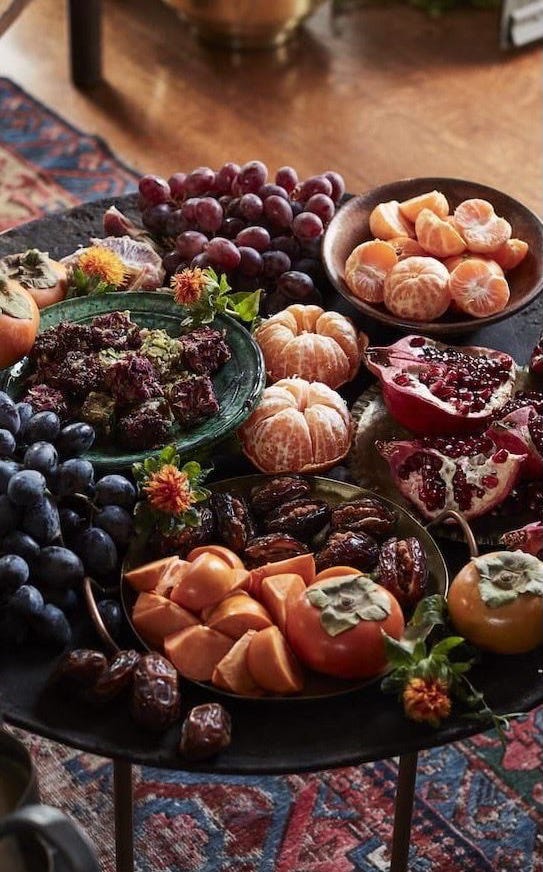
Dates & Fruit Station
Traditionally most people tend to break their fast on dates and back home fruits aren’t a common addition however I enlisted the help of a nutritionist a few years ago to help me better manage my focus and work productivity during Ramadan and breaking my fast on fruits was one of her tricks that really helped me regulate my blood sugar and appetite so it’s now a staple in our household.
Soup & Appetizers Station
This one actually serves a very practical purpose: it’s what most people reach for first when they break their fast, and separating it from the heavier main dishes means there’s no bottleneck at the buffet when everyone is hungriest. I’ve found that people have different routines when it comes to breaking their fast; some like to start with soup, some with fruits and others go straight to the food and so having these stations helps guests in the first and second category have a place to settle in and start eating before the main event lands on the table.
Coffee & Tea Station
This one I keep out for the entire month of Ramadan because we’re hosting so regularly. It’s usually on a smaller table off to the side, somewhere people can gravitate to after they’ve eaten, which naturally encourages that lovely post-meal lingering that I think is one of the best parts of any gathering.
Now, I’m the first to admit that this works well in my space, but I’m aware not everyone has room for four separate setups and that’s completely fine. Even if you’re working with a smaller kitchen or dining area, the principle still applies: think about breaking things up where you can. Even just pulling the drinks off the main table and onto a kitchen counter can change how the evening feels. It’s less about having the space for it and more about giving your guests permission to move around and help themselves.
Timing
I could write a whole guide on how to plan the timing of each dish and when you cook everything to ensure it all is ready at the same time.
Timing during Ramadan is its own discipline, unlike a regular dinner party where guests can linger over drinks if a dish runs late, iftar has a fixed start time and people are hungry. There’s no buffer.
The most useful thing I’ve done is move away from a simple to-do list and into an hour-by-hour plan for the day. I map out every task from when I start the rice to when I’m reheating the soup and estimate how long each one takes. It sounds granular, but the first time you do it you’ll likely discover that you’ve been mentally underestimating certain tasks. This will be a constant work in progress but the more you do it the more efficient you’ll become.
If you do fall behind (and it will happen) don’t try to rush everything at once. Prioritise the dishes that open the meal: the soup, the dates, the appetisers. Guests will happily wait a little longer for the mains once they’ve had something to start with.
The Post-Mortem
Okay, this is the part that might sound a little “rigid”, but stick with me, I’m a believer that there’s always room for improvement and there are things that won’t be as fresh in your mind the next morning so after every gathering, my husband and I sit down with a cup of tea and talk through how it went. I call it the post-mortem, it’s something I picked up from the tech world and love to apply to all my projects, hosting dinners included. We usually cover a few things.
First, our favorite moments, and a recap of the evening. Next the menu; what did people actually go back for? Was there a dish that barely got touched, or one that disappeared within minutes? Then there’s the feedback. Sometimes guests will say something in passing like “this was incredible” or “can you send me the recipe?” and I’ve learned to actually hold onto those comments instead of letting them disappear into the midst of the evening. The post-mortem is where I collect them. We also go through the practical stuff: did we run out of anything? (One year it was garbage bags. Never again.) Was there something we wished we’d bought but didn’t? Was there a kitchen tool I needed during prep that would have been handy? This feeds directly back into the planning for the next gathering, which during Ramadan comes around again very quickly.
It might sound like a lot of admin, but it really isn’t, it takes maybe ten or fifteen minutes, and it means that every time I host, I’m building on what I already know works. After a big evening, it’s nice to just sit down, reflect, and close the loop, before doing it all over again.
I hope you found this helpful. I chose not to share a specific menu as it differs from one iftar to the other however if you’d like a breakdown of my menus as well, let me know and I’ll happily share them! Additionally, feel free to share any questions you might have.
What comes next?
That’s a wrap on my Ramadan hosting series (at least for this year). Next up, I’ve invited Zana Abouchedid, a Beirut-based table stylist, to take over and share how she approaches styling a Ramadan table. Her eye for detail is something else, and I think you’re going to love it.
In the meantime, if you’d like me to share some of my actual iftar menus, just let me know in the comments, I’m happy to make that a future post.
Sahtein, and thank you for pulling up a chair,
Dana x
If you like this, share it with a friend, leave a comment, or subscribe! For more from SOFRA, you can follow us on IG and browse our website.